
Introduction
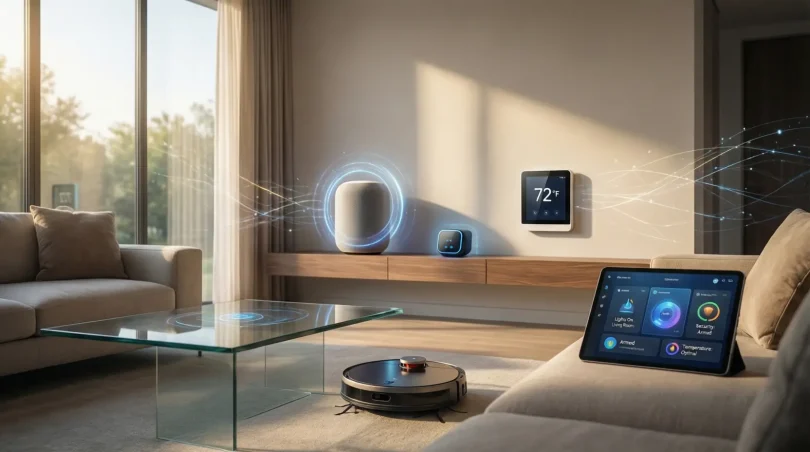
In today’s fast-paced digital world, IoT smart devices are transforming the way we live, work, and interact with our environment. The Internet of Things, commonly called IoT, connects ordinary objects to the internet, allowing them to communicate, share data, and perform tasks automatically. From smart homes to wearable health monitors, these devices make everyday life more convenient, efficient, and even safer.
Imagine controlling your home’s lighting, temperature, and security system with a single smartphone app. Or think about a wearable device that tracks your heart rate, sleep patterns, and activity levels, sending real-time feedback to help you stay healthier. These examples show how IoT smart devices are no longer science fiction—they are an integral part of modern living.
Whether you are a beginner curious about smart technology or an intermediate user looking to expand your connected ecosystem, understanding IoT smart devices is essential. This article will guide you through what IoT devices are, why they matter, their advantages and risks, and practical tips for using them safely. By the end, you’ll have a clear understanding of how to make the most of this innovative technology in your daily life.
What is IoT Smart Devices?
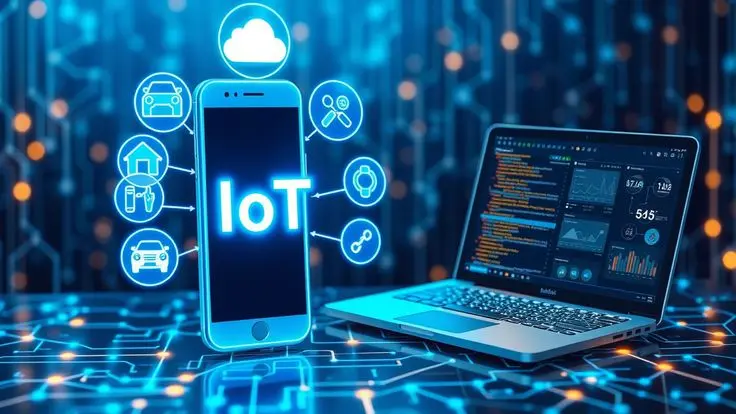
IoT smart devices are electronic devices connected to the internet that can collect, send, and receive data. Unlike traditional gadgets, these devices communicate with each other or with a central platform, creating an interconnected system.
Common examples include:
- Smart Home Devices: Smart bulbs, thermostats, door locks, and security cameras.
- Wearables: Fitness trackers, smartwatches, and health monitors.
- Smart Appliances: Refrigerators, washing machines, and ovens that can be controlled remotely.
- Connected Cars: Vehicles with sensors to monitor performance, location, and safety.
These devices often work with apps, cloud platforms, and AI-powered algorithms to deliver personalized experiences. For instance, a smart thermostat can learn your daily routine, adjusting the temperature automatically for comfort and energy efficiency.
At its core, IoT bridges the gap between physical objects and digital systems, making devices more intelligent, responsive, and capable of improving efficiency in everyday tasks.
Why is IoT Smart Devices Important?
IoT smart devices play a crucial role in modern life for several reasons:
- Convenience: They automate routine tasks, saving time and effort.
- Efficiency: Smart systems optimize energy use and reduce waste.
- Safety and Security: Devices like smart cameras, door sensors, and alarms enhance home security.
- Health Monitoring: Wearables and connected health devices track vitals and provide early alerts.
- Data-Driven Insights: IoT devices collect data to improve decision-making for individuals and businesses.
- Connectivity: They link multiple devices, creating seamless ecosystems in homes, offices, and cities.
With these benefits, IoT smart devices are no longer just gadgets—they are essential tools for a smarter, more connected lifestyle.
Detailed Step-by-Step Guide to Using IoT Smart Devices
Step 1: Choose the Right Device
Before investing, identify your needs:
- Home automation
- Fitness tracking
- Energy efficiency
- Safety and security
Example: If energy savings are a priority, a smart thermostat is a great starting point.
Step 2: Ensure Internet and Network Compatibility
- Verify Wi-Fi coverage in your home or office.
- Check the device’s compatibility with your network frequency (2.4 GHz vs 5 GHz).
Step 3: Install and Connect Devices
- Follow the manufacturer’s instructions for physical setup.
- Use the companion app to connect the device to Wi-Fi or a hub.
Step 4: Customize Settings
- Adjust schedules, alerts, and preferences.
- Enable notifications for critical updates (e.g., security alerts).
Step 5: Integrate with Other Devices
- Use smart home hubs or platforms like Alexa, Google Home, or Apple HomeKit.
- Create routines, e.g., turning off all lights and locking doors at bedtime.
Step 6: Monitor and Update Regularly
- Update firmware to enhance functionality and security.
- Monitor device performance through apps.
Step 7: Secure Your Devices
- Use strong, unique passwords for each device.
- Enable two-factor authentication if available.
Benefits of IoT Smart Devices
- Automation: Devices perform tasks without manual input.
- Remote Access: Control devices from anywhere using apps.
- Energy Savings: Smart thermostats, lights, and appliances reduce energy consumption.
- Improved Safety: Security cameras, sensors, and smart locks enhance protection.
- Health Management: Wearables track fitness, sleep, and vital signs.
- Convenience: Simplifies day-to-day routines with smart scheduling.
- Data Insights: Provides analytics to make informed decisions.
Disadvantages / Risks of IoT Smart Devices
- Privacy Concerns: Personal data can be exposed if not secured.
- Cybersecurity Risks: Devices may be hacked if weak passwords are used.
- Dependence on Internet: Devices may fail without stable internet connectivity.
- High Cost: Initial investment for quality devices can be expensive.
- Compatibility Issues: Not all devices work well together or with every platform.
- Technical Problems: Firmware bugs and software glitches may disrupt operations.
Common Mistakes to Avoid
- Ignoring Security: Using default passwords or neglecting firmware updates.
- Overloading Networks: Connecting too many devices to a weak Wi-Fi network.
- Skipping Compatibility Checks: Buying devices that don’t integrate with your ecosystem.
- Neglecting Data Privacy: Sharing unnecessary personal information with apps.
- Overcomplicating Setup: Avoid connecting devices without understanding their functions.
- Neglecting Maintenance: Failing to clean sensors or check battery levels.
FAQs About IoT Smart Devices
1. Are IoT devices difficult to use for beginners?
Not at all. Most IoT devices come with easy-to-use apps and setup instructions. Start with one device and gradually expand your smart ecosystem.
2. Can IoT devices work offline?
Some devices can perform basic functions offline, but full functionality usually requires an internet connection for updates and remote access.
3. Are smart devices safe for privacy?
Yes, if you follow security best practices such as strong passwords, encryption, and regular updates. Avoid sharing unnecessary personal information.
4. How much does it cost to start with IoT devices?
Costs vary. Simple devices like smart bulbs may cost $15–$50, while advanced devices like smart thermostats or cameras may range from $100–$300.
5. Can IoT devices save money?
Yes, smart energy devices like thermostats and lights can reduce utility bills. Over time, energy-efficient devices often pay for themselves.
6. How do I troubleshoot IoT devices?
Restart the device, check Wi-Fi connections, update firmware, and refer to the manufacturer’s troubleshooting guide.
7. Can IoT devices improve health?
Absolutely. Wearables track activity, sleep, and heart rate, providing actionable insights for healthier living.
8. Are IoT devices environmentally friendly?
Yes, many devices are designed to reduce energy use, monitor consumption, and promote sustainability.
Expert Tips & Bonus Points
- Start Small: Begin with a few essential devices and expand gradually.
- Prioritize Security: Change default passwords and enable device encryption.
- Use Automation Wisely: Create routines for efficiency but avoid overcomplicating setups.
- Regular Updates: Keep firmware and apps updated to fix bugs and improve security.
- Energy Monitoring: Track usage patterns to optimize power consumption.
- Research Before Buying: Read reviews and check compatibility with existing devices.
- Backup Data: Some devices store important data; ensure backups to avoid loss.
Bonus Tip: Explore voice control and AI-powered suggestions to make your IoT ecosystem smarter and more intuitive.
Conclusion
IoT smart devices are no longer a futuristic concept—they are an essential part of modern life. By connecting everyday objects to the internet, these devices bring convenience, efficiency, and improved safety into our homes, workplaces, and even health routines. From smart thermostats and lights to wearable health trackers, the possibilities are endless.
However, while IoT devices offer many benefits, users must remain cautious. Security, privacy, and compatibility are key concerns that should not be overlooked. By following best practices, regularly updating devices, and using technology mindfully, you can enjoy the full potential of IoT smart devices without unnecessary risks.
Investing in IoT smart devices is more than a trend; it’s a step toward a connected and smarter lifestyle. Whether you are a beginner or an intermediate user, embracing IoT technology can simplify daily tasks, improve productivity, and even enhance your health. By understanding how these devices work and using them responsibly, you can create a seamless, efficient, and intelligent environment tailored to your needs.