
Introduction
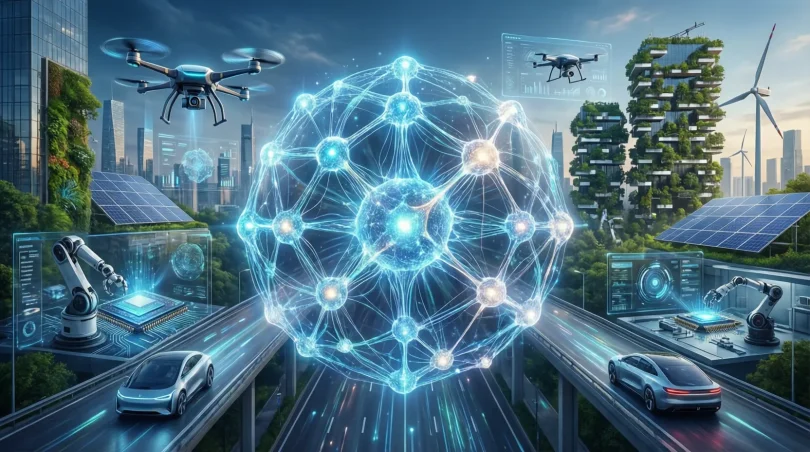
Intelligent systems are transforming the way we live, work, and interact with technology. From smart homes to self-driving cars, these systems are designed to mimic human intelligence, make decisions, and solve complex problems. They combine advanced computing, sensors, data analytics, and machine learning to respond intelligently to changing conditions.
In today’s fast-paced world, intelligent systems are not just a luxury—they are becoming a necessity. Businesses use them to improve efficiency, reduce costs, and provide better services. Individuals rely on smart devices to manage daily tasks, monitor health, and enhance productivity. With the continuous advancements in technology, intelligent systems are evolving rapidly, making it crucial to understand their capabilities, benefits, and potential risks.
This article will provide a comprehensive guide to intelligent systems, explaining what they are, why they are important, step-by-step implementation strategies, their advantages and disadvantages, common mistakes to avoid, expert tips, and frequently asked questions. By the end of this guide, you will have a clear understanding of how intelligent systems can be leveraged in everyday life and business environments.
What is Intelligent Systems?
Intelligent systems are computer-based systems capable of performing tasks that typically require human intelligence. These tasks include decision-making, problem-solving, learning, perception, and language understanding. Essentially, intelligent systems combine hardware, software, and algorithms to process data, learn from it, and respond in a way that appears “smart.”
There are several types of intelligent systems:
- Expert Systems: These use a knowledge base and set rules to make decisions in specific domains, like medical diagnosis.
- Neural Networks: Inspired by the human brain, these systems can recognize patterns and make predictions based on data.
- Robotics Systems: Intelligent robots can perform physical tasks autonomously or with minimal human intervention.
- Decision Support Systems: These assist humans in making better business or operational decisions.
In simple terms, intelligent systems are all around us—from virtual assistants in our smartphones to automated manufacturing lines in factories. Their core purpose is to replicate cognitive functions, optimize performance, and reduce human effort.
Why is Intelligent Systems Important?
Intelligent systems are important because they enhance efficiency, accuracy, and decision-making across multiple sectors. Here’s why they matter:
- Efficiency Improvement: Tasks that usually take hours can be completed in minutes using intelligent systems.
- Error Reduction: Machines reduce human errors in data processing, calculations, and predictions.
- Decision Support: They provide insights and recommendations that help businesses and individuals make better choices.
- Automation: Repetitive and time-consuming tasks can be automated, allowing humans to focus on creative or strategic work.
- Enhanced Safety: Intelligent systems in vehicles or healthcare devices improve safety and prevent potential accidents.
For example, self-driving cars use intelligent systems to analyze traffic conditions, predict hazards, and make real-time decisions to ensure passenger safety. In businesses, intelligent systems forecast market trends, analyze customer behavior, and optimize operations for higher profitability.
Detailed Step-by-Step Guide to Implementing Intelligent Systems
Implementing intelligent systems requires careful planning, clear goals, and a structured approach. Here’s a step-by-step guide:
Step 1: Identify the Problem or Goal
- Define the task you want the intelligent system to perform.
- Example: Automate customer service queries using a chatbot.
Step 2: Collect and Prepare Data
- Gather relevant data needed for the system to learn.
- Ensure the data is accurate, clean, and complete.
- Example: Collect previous customer inquiries and responses.
Step 3: Choose the Right Technology
- Decide on the type of intelligent system: expert system, neural network, or robotic system.
- Consider hardware and software requirements.
Step 4: Develop the System
- Design algorithms that allow the system to process data and make decisions.
- Use machine learning or rule-based methods depending on the task.
Step 5: Test and Train the System
- Use historical or simulated data to train the system.
- Test its responses and accuracy before full implementation.
- Continuously refine algorithms to improve performance.
Step 6: Deploy and Monitor
- Integrate the system into the intended environment.
- Monitor performance regularly and make updates as needed.
Step 7: Evaluate and Improve
- Collect feedback on system performance.
- Use insights to improve efficiency and decision-making accuracy.
By following these steps, individuals and businesses can implement intelligent systems effectively while minimizing risks.
Benefits of Intelligent Systems
Intelligent systems provide numerous benefits that can transform businesses and daily life:
- Time-Saving: Automates repetitive tasks to free up human resources.
- Cost Efficiency: Reduces operational costs and optimizes resource allocation.
- Better Decision-Making: Provides data-driven insights for informed choices.
- 24/7 Availability: Systems can operate without breaks, ensuring continuous productivity.
- Scalability: Can handle increased workloads without compromising performance.
- Learning Capabilities: Systems can improve over time by analyzing new data.
- Enhanced Accuracy: Reduces human errors in complex computations or processes.
For instance, in healthcare, intelligent systems analyze patient data to detect diseases early, suggest treatment plans, and monitor recovery progress.
Disadvantages / Risks of Intelligent Systems
While intelligent systems offer many benefits, there are risks and challenges:
- High Initial Costs: Development and deployment can be expensive.
- Dependence on Data: Poor-quality data can lead to inaccurate decisions.
- Job Displacement: Automation may reduce the need for certain human roles.
- Security Risks: Systems can be vulnerable to hacking or data breaches.
- Complexity: Designing and maintaining intelligent systems requires skilled professionals.
- Lack of Human Judgment: Machines may struggle with ethical or nuanced decisions.
It is essential to weigh these risks against the benefits and implement proper safeguards.
Common Mistakes to Avoid
When implementing intelligent systems, avoid these mistakes:
- Ignoring Data Quality: Inaccurate or incomplete data leads to poor system performance.
- Overlooking System Training: Insufficient training can cause errors and inefficiency.
- Neglecting Security Measures: Failing to secure systems can result in data breaches.
- Not Updating Regularly: Systems need updates to adapt to new conditions.
- Unrealistic Expectations: Expecting systems to replace all human judgment can lead to disappointment.
- Underestimating Costs: Initial investment and maintenance costs are often higher than anticipated.
Avoiding these mistakes ensures a smoother implementation and better results.
FAQs About Intelligent Systems
1. Are intelligent systems the same as AI?
Intelligent systems use AI techniques, but not all AI systems are fully intelligent systems. AI focuses on creating smart algorithms, while intelligent systems combine AI, hardware, and software to perform tasks autonomously.
2. Can intelligent systems learn on their own?
Yes, some intelligent systems, especially those using machine learning, can learn from new data and improve their performance over time.
3. Are intelligent systems safe to use?
Generally, yes, but safety depends on system design, data quality, and proper security measures. Regular monitoring and updates are essential.
4. Which industries use intelligent systems?
Industries include healthcare, finance, manufacturing, transportation, customer service, and education. Essentially, any sector that benefits from automation and data-driven decisions can use intelligent systems.
5. Can intelligent systems replace humans entirely?
No, while they automate tasks, human judgment, creativity, and ethical decisions remain critical in many areas.
6. What is the cost of implementing intelligent systems?
Costs vary depending on complexity, technology, and industry. Initial development can be expensive, but long-term efficiency often offsets the investment.
7. How do intelligent systems handle errors?
Many systems include error-checking mechanisms and can learn from mistakes using feedback loops, improving accuracy over time.
8. Are intelligent systems difficult to maintain?
Maintenance can be complex, requiring skilled personnel and regular updates to ensure optimal performance.
Expert Tips & Bonus Points
- Start Small: Implement intelligent systems in limited areas before scaling up.
- Invest in Training: Ensure your team understands how to operate and monitor the system.
- Use Quality Data: Clean, accurate, and relevant data improves performance significantly.
- Monitor Performance: Regularly track outcomes and refine algorithms as needed.
- Focus on Security: Protect sensitive data with strong encryption and access control.
- Plan for Ethics: Consider ethical implications, especially in decision-making systems.
- Stay Updated: Technology evolves rapidly; keep your systems and knowledge current.
Bonus Tip: Combine human expertise with intelligent systems for the best results. This hybrid approach ensures efficiency without sacrificing judgment or creativity.
Conclusion
Intelligent systems are reshaping the modern world by combining automation, decision-making, and learning capabilities into one powerful package. They enhance efficiency, accuracy, and productivity across businesses and daily life, making them indispensable in the current technological era. From smart homes to industrial automation, intelligent systems provide real solutions to complex problems.
While implementing these systems comes with challenges such as costs, security risks, and complexity, careful planning, high-quality data, and proper monitoring can overcome these obstacles. By leveraging intelligent systems wisely, businesses can gain a competitive edge, and individuals can enjoy smarter, more convenient lives.
Embracing intelligent systems is not just a technological choice—it is a strategic step toward a future where tasks are automated, decisions are data-driven, and productivity reaches new heights. Whether you are a beginner or an intermediate user, understanding intelligent systems opens doors to endless possibilities in technology and innovation.