
Introduction
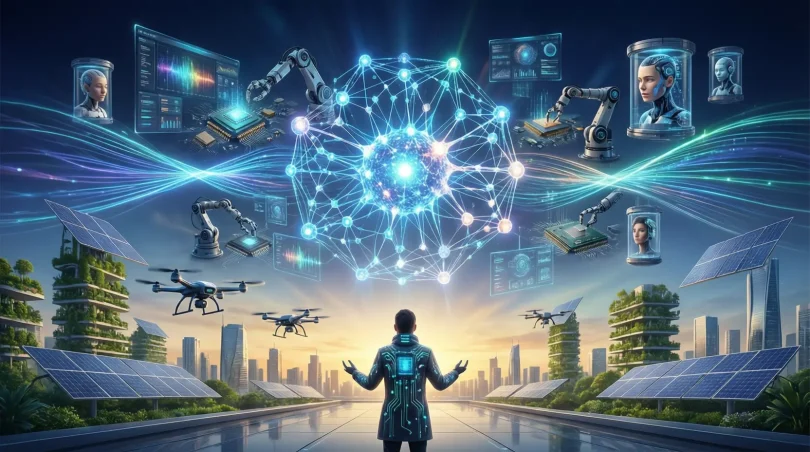
AI innovations are changing the world faster than ever before. From smartphones and smart homes to healthcare and education, artificial intelligence is becoming part of daily life. Today, businesses, students, and professionals all rely on AI-powered tools to work faster, make better decisions, and solve complex problems. Because of this rapid growth, understanding AI innovations is no longer optional. It has become an important skill for beginners and intermediate learners who want to stay relevant in the modern digital world.
In simple terms, AI innovations focus on creating smarter systems that can think, learn, and improve over time. These systems analyze data, recognize patterns, and provide accurate results with minimal human effort. As technology evolves, AI innovations continue to open new opportunities while also raising important questions about ethics, jobs, and data security.
Moreover, governments and companies across the globe are investing heavily in AI research and development. This shows how important AI innovations are for economic growth and global competition. Whether you are a student, business owner, or tech enthusiast, learning about AI innovations can help you understand where the world is heading.
This article is written in simple English for easy understanding. It explains AI innovations step by step, highlights their importance, benefits, and risks, and shares expert tips to help you use them wisely. By the end, you will have a clear and practical understanding of AI innovations and their role in shaping the future.
What is AI Innovations?
AI innovations refer to new and improved ways of using artificial intelligence to solve problems, automate tasks, and improve decision-making. These innovations combine machine learning, data analysis, and smart algorithms to create systems that can learn from experience.
Unlike traditional software, AI-powered systems can adapt and improve over time. This ability makes AI innovations useful in many fields such as healthcare, finance, education, transportation, and entertainment.
In simple words, AI innovations focus on making machines smarter so they can help humans work more efficiently and accurately.
Why is AI Innovations Important?
AI innovations are important because they help people and businesses save time, reduce costs, and increase productivity. They allow companies to analyze large amounts of data quickly and make informed decisions.
Another reason AI innovations matter is accuracy. AI systems reduce human errors in tasks like medical diagnosis, financial forecasting, and quality control. As a result, outcomes become more reliable.
Additionally, AI innovations support creativity and innovation. By automating routine work, people can focus on creative ideas and strategic planning. This balance between automation and creativity drives long-term growth and success.
Detailed Step-by-Step Guide
Step 1: Understanding the Basics
The first step is to understand what artificial intelligence is and how it works. AI systems learn from data and improve their performance through algorithms.
Learning the basics helps beginners understand how AI innovations are applied in real life.
Step 2: Data Collection and Preparation
AI innovations rely on data. High-quality data is collected from reliable sources and prepared for analysis.
Clean and organized data improves accuracy and performance.
Step 3: Choosing the Right Model
Different AI models are used for different tasks. Some models are best for prediction, while others focus on recognition or classification.
Selecting the right model is crucial for successful AI innovations.
Step 4: Training the System
Training involves feeding data into the AI system so it can learn patterns.
This step requires patience and regular testing to improve results.
Step 5: Testing and Improvement
After training, the system is tested to identify errors.
Continuous improvement ensures long-term success.
Benefits of AI Innovations

- Improves efficiency and productivity
- Reduces operational costs
- Enhances accuracy and decision-making
- Supports innovation and creativity
- Improves customer experience
- Enables faster problem-solving
Disadvantages / Risks
- High initial investment
- Data privacy concerns
- Risk of job displacement
- Dependence on technology
- Ethical challenges
Common Mistakes to Avoid
Many people expect instant results from AI innovations, which is unrealistic. AI systems need time to learn and improve.
Another common mistake is ignoring data quality. Poor data leads to poor results.
Finally, lack of proper planning and training often causes failure.
FAQs
What are AI innovations used for?
AI innovations are used in healthcare, education, finance, marketing, and many other fields to automate tasks and improve accuracy.
Are AI innovations expensive?
Initial costs can be high, but long-term benefits often outweigh the investment.
Can beginners learn AI innovations?
Yes, beginners can learn step by step with basic concepts and practical examples.
Do AI innovations replace human jobs?
AI innovations change job roles rather than completely replacing humans.
Are AI systems safe to use?
They are safe when used responsibly with proper data protection.
What skills are needed for AI innovations?
Basic technical skills, data understanding, and problem-solving abilities are helpful.
Expert Tips & Bonus Points
Start with small projects to understand AI innovations practically. Focus on data quality and continuous learning.
Always consider ethical guidelines and data privacy when using AI systems.
Conclusion
AI innovations are shaping the future of technology and human life. They offer powerful tools to improve efficiency, accuracy, and creativity across industries. By understanding how AI innovations work, beginners and intermediate learners can prepare themselves for future opportunities.
Although there are risks and challenges, responsible use and proper planning can reduce these issues. As AI continues to evolve, learning about AI innovations today will help you stay ahead tomorrow.